Cover image: Revelation by Kaja Foglio Readers of Magic and Meaning will already know that one of the premises of this column is that through the use of images and symbols taken from real world religions and cultures, Magic: The Gathering does real theological and philosophical work in its cards and associated narrative, whether intentional or not
Breakdown of Each Ink Color Each ink color brings unique strategic strengths: Amber excels at card draw and board control Amethyst specializes in disruption and removal effects Emerald powers up characters quickly with enhancement effects Ruby focuses on aggressive strategies and direct damage Steel provides defensive options and protective abilities Sapphire manipulates resources effectively and offers utility Single vs Multi-Color Decks New players often start with single-color decks for consistency and simplicity
Additionally, cards possess typelines (for lack of an official term) that denote faction and more
If you have few enough creatures in your deck, you might be able to use this to pull off some combo, but that seems like too much effort
The Star Wars universe has already been successfully translated into a variety of tabletop games, including a card game, proving that it's good for more than just digital media




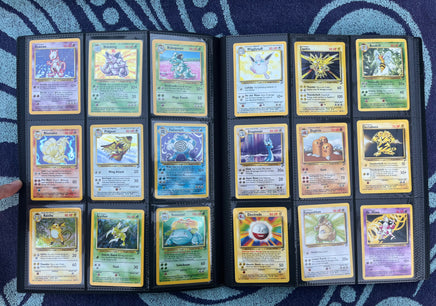
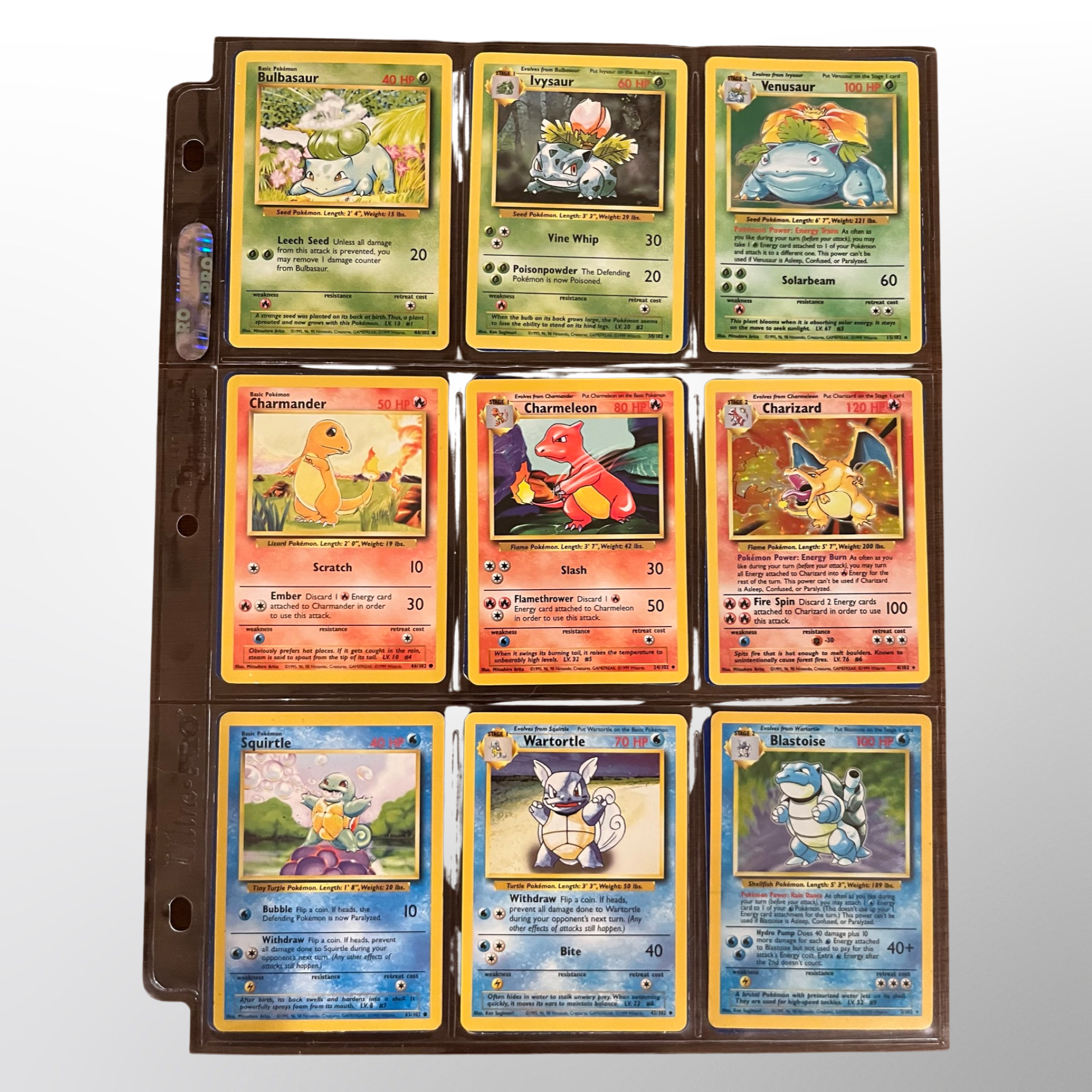
![Shadowless Base Set Complete Master Set (102/102) 1999 [MP-DMG]](https://tradingcardsets.com/cdn/shop/files/IMG-1037_436x436.png?v=1701897245)